
When to Choose Inverter Acs for Puchong Homes
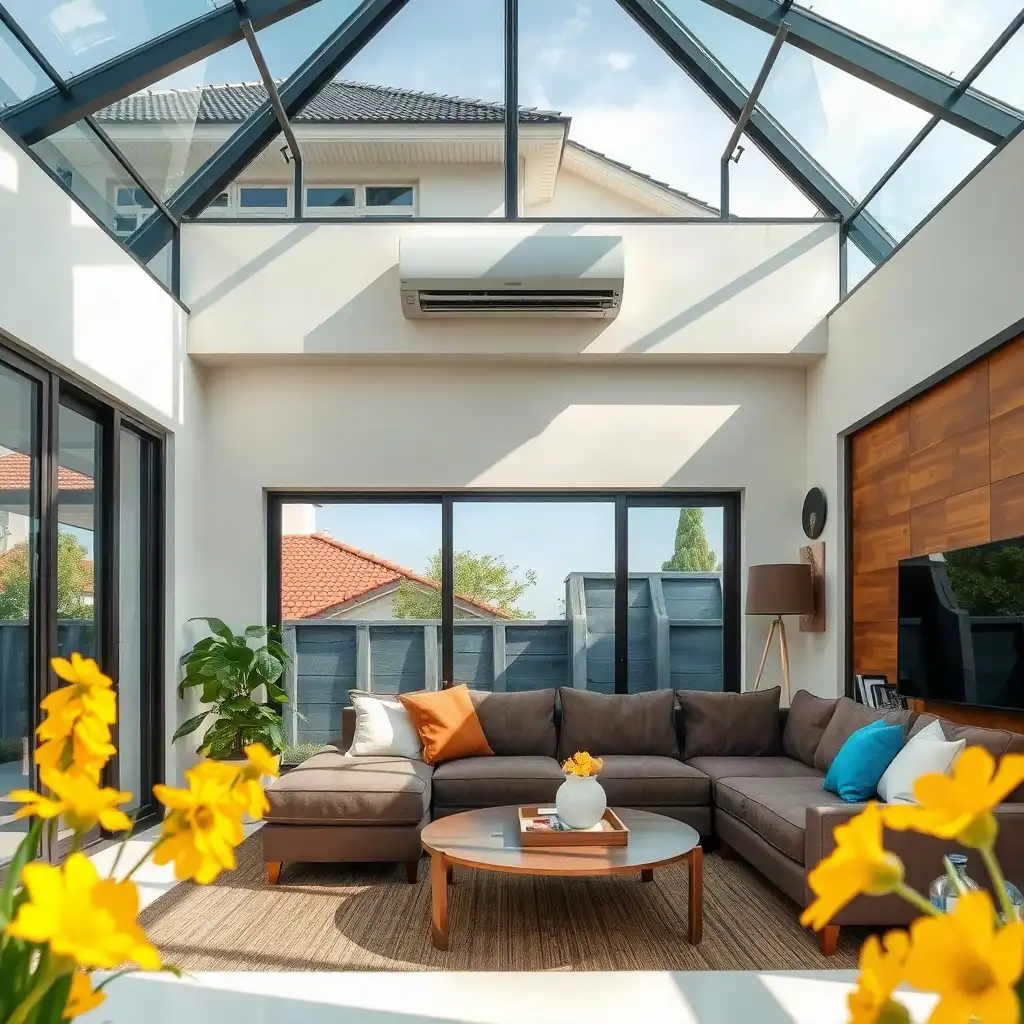
Homeowners in Puchong are seeing the benefits of inverter ACs in the area’s hot climate and high humidity. These systems can cut electricity bills by 30% to 50%, offering savings while keeping indoor temperatures steady for comfort. For families that use air conditioning frequently, inverter technology is crucial. It runs quietly and efficiently while handling humidity well, making it a smart choice for energy efficiency and comfort at home.
Understanding Inverter Vs Non-inverter Acs
When considering air conditioning options, it’s crucial to understand how inverter and non-inverter systems work. Non-inverter models use a simple on/off compressor that runs at full power until the room reaches the set temperature, then shuts off completely. This can cause energy spikes and temperature fluctuations. In contrast, inverter ACs have variable-speed compressors that adjust their output as needed, maintaining a consistent climate while using less electricity. These units can run at just 20–30% power once the cooling target is reached, resulting in significant savings over time.
For homeowners in Puchong facing high humidity typical of Malaysian weather, this technology is valuable for cutting costs and improving comfort by stabilizing temperatures and managing moisture effectively throughout the home.
Electricity Savings From Inverter Acs
The financial advantages of choosing an inverter AC can be substantial, especially for residents of Puchong. Data shows these systems can reduce electricity bills by 30% to 50%, explaining their growing popularity among homeowners. Operating a 1.5 HP unit for about eight hours each night could lower monthly expenses from RM167 with a non-inverter model to RM100 with an inverter, resulting in savings of roughly RM67 per month or around RM800 annually. These savings increase as energy rates rise; those consuming between 301–600 kWh face higher charges, making every saved kilowatt-hour more valuable.
Initial Investment
While there may be a slight upfront cost, ranging from RM200 to RM500 more than standard units, the return on this investment typically comes within six months to three years based solely on usage patterns. If you use your AC daily for over four hours, it becomes essential for smart consumers seeking long-term cost efficiency and comfort during Malaysia’s hot climate conditions.
The Pros & Cons of Inverter ACs in Puchong
Pros
-
Inverter air conditioners can save you 30% to 50% on energy costs compared to non-inverter models, which helps lower your electricity bills.
-
They maintain a steady temperature, making your home more comfortable and improving sleep quality.
-
With quieter operation (35–45 dB), they fit well in bedrooms and other peaceful areas.
-
Better dehumidification features help control humidity effectively in Puchong's tropical climate.
-
When properly maintained, these units last longer than 10 years, which means you'll spend less on replacements over time.
-
Higher energy efficiency ratings (up to 5 stars) allow for quicker recovery of the initial investment costs.
Cons
-
The initial purchase price is higher, usually costing RM200 to RM500 more than non-inverter units.
-
More complex electronic parts could lead to increased repair costs if problems come up.
-
Proper installation is essential; a poor setup can lower efficiency by 15% to 25%.
-
Maintenance is needed every 3–6 months, which adds to ongoing expenses.
-
Payback periods can range from 6 months to 3 years based on how often you use it.
-
Not as cost-effective for occasional use (under 2 hours daily), where non-inverter units might be enough.
Ideal Use Cases for Puchong Homes
In Puchong, investing in an inverter AC depends on your cooling needs. If you require significant cooling, especially if you run the air conditioning all day, these systems can be beneficial. Using your unit for several hours during hot afternoons or at night highlights the effectiveness of an inverter system. These units maintain steady temperatures without fluctuations, enhancing comfort and indoor air quality.
When Non-inverter Models Work
On the other hand, if you’ll use the AC occasionally or for a few hours each day, non-inverter models may suffice and save money upfront. Consider guest rooms or spaces used infrequently; an inverter may not provide much benefit given their lower usage. Since many homes experience long spells of heat, a common aspect of living in this area, the efficiency of inverter technology becomes more appealing over time for homeowners prioritizing comfort and energy savings.
Noise Levels and Sleep Quality Benefits
When creating a peaceful sleeping environment, the noise levels of your air conditioning unit are important. Inverter ACs operate at lower sound levels than non-inverter units. Non-inverter models can reach noise levels between 52 dB and 58 dB during startup, while inverter systems remain quieter with sounds ranging from 35 dB to 45 dB. This helps create a serene atmosphere in bedrooms or any relaxation space, allowing families to enjoy restful nights without disruptive background noise.
Temperature Control
the consistent temperature control of inverter technology enhances sleep quality. Traditional models cycle on and off, leading to fluctuating temperatures that can disturb rest and affect overall health over time. An inverter system provides steady cooling while effectively managing humidity, particularly relevant in Malaysia, creating an indoor climate ideal for sleep health. Investing in an inverter AC improves energy efficiency and enhances family comfort during essential hours of rest each night.
Optimal Cooling Solutions for Puchong Homes
| Feature/Attribute | Inverter Air Conditioner | Non-Inverter Air Conditioner |
|---|---|---|
| Monthly Electricity Cost | RM100 | RM167 |
| Monthly Savings | RM67 | |
| Annual Savings | RM800 | |
| Electricity Cost per kWh (TNB 301-600) | 51.6 sen | |
| Additional Cost Over Non-Inverter | RM200 – RM500 | |
| Payback Period | 6 months – 3 years | |
| Daily Usage Threshold for Justification | 4 to 6 hours | |
| Daily Usage Threshold for Sufficiency | 2 to 3 hours | |
| Noise Level (dB) | 35 – 45 | 52 – 58 |
| Lifespan with Proper Maintenance | Over 10 years | 6 – 8 years |
| Sizing Guideline | 1.0 HP per 150 square feet | |
| CSPF Star Rating Reduction | 50% reduction compared to 3-star units | |
| Installation Cost | RM250 | |
| Regular Servicing Frequency | Every 3 – 6 months |
Importance of Correct HP Sizing
The importance of properly sizing your air conditioning unit is crucial, especially with inverter technology. An improperly sized AC system can lead to inefficiencies that negate the benefits of using an inverter. A model that’s too big may cool the room too quickly and turn off before effectively removing humidity, causing short cycling, when the compressor frequently starts and stops. This increases wear on parts and raises energy usage as it struggles to maintain comfortable temperatures.
A unit that’s too small will run constantly without meeting cooling needs, significantly raising electricity bills due to extended operation.
For typical living spaces in Puchong, around 150 square feet per 1 HP, it’s important to consider factors like sunlight exposure and ceiling heights when determining the best size for your situation. These details help ensure optimal performance from your inverter AC while maximizing potential savings over time.
CSPF Star Rating and Energy Labels
The Cooling Seasonal Performance Factor (CSPF) star rating and energy labels are crucial when choosing an inverter AC for your home in Puchong. The SIRIM energy label rates units from 1 to 5 stars, allowing easy comparison of air conditioner efficiency. A higher CSPF star rating indicates better performance; for example, a unit with a 5-star rating can reduce running costs by around half compared to lower-rated models. Investing in higher-rated options saves on electricity bills and supports eco-friendly habits by lowering power consumption, important given Malaysia’s humid climate and rising energy prices. Homeowners should pay close attention to these ratings before buying, as selecting an efficient model is key to saving money while staying comfortable during hot days or muggy nights in Puchong.
understanding how these ratings work in real-life situations highlights their significance, especially since many families depend on air conditioning due to the intense heat common in Malaysian weather patterns. As you look at different choices, remember that high-efficiency models often recover initial investment costs quickly through lower monthly expenses, making them strong candidates as you balance budget considerations and specific living conditions at home.
Inverter ACs: Facts and Myths Unveiled
-
Many homeowners think inverter air conditioners are only good for cooling efficiently. They also maintain consistent temperatures, improving sleep quality by preventing temperature swings seen with non-inverter units.
-
A common myth is that inverter units are noisy. Inverter compressors operate at 35 to 45 dB, much quieter than non-inverter compressors that can reach 52 to 58 dB during startup.
-
Some believe inverter air conditioners require more maintenance than non-inverter models. The truth is both types benefit from regular servicing every 3 to 6 months; yet, inverter units usually last longer, over 10 years when properly maintained.
-
There's a belief that spending more upfront on an inverter air conditioner isn't worth it due to higher initial costs. But potential savings on electricity bills could range from 30% to 50% compared to non-inverter units, leading to significant annual savings and making them cost-effective in the long run.
-
It’s often assumed any size air conditioner will work for a room. Proper sizing is vital for efficiency: an undersized unit runs continuously while an oversized one may short cycle, wasting the benefits of inverter technology. As a guideline, use about0 HP for every 150 square feet.
Installation Standards and Maintenance Practices
Proper installation and maintenance of your air conditioning system are essential for maximizing inverter technology. Installing an inverter AC involves careful attention to detail. Correct refrigerant charge, proper pipe insulation, vacuuming before startup, and secure electrical connections all impact system efficiency. Poor installation can reduce efficiency by 15% to 25%, negating the benefits of an inverter model.
Regular maintenance is crucial for maintaining performance over time. Schedule service every 3 to 6 months, more frequently if used heavily during peak times, to ensure smooth operation. This includes cleaning filters, checking coils for dirt buildup, and performing chemical washes as needed. Neglecting these tasks can decrease energy efficiency by up to 30% due to dust or blockages that restrict airflow.
Consider Longevity
Consider longevity: well-maintained systems last longer and incur lower repair costs compared to neglected units. While initial repairs on inverter models may be higher due to complex components like control boards, their longer lifespans typically justify this concern compared to non-inverter models that tend to fail sooner.
Puchong's Climate Impact
In Puchong’s humid climate with high temperatures year-round, ensuring optimal operation is crucial as utility bills rise along with electricity demand on HVAC systems. This is important when weighing long-term investments against short-lived savings from cheaper options lacking reliable features.
Choosing Qualified Technicians
Investing time in finding qualified technicians who understand local codes ensures compliance and builds trust among those seeking efficient cooling solutions tailored for homes across various neighborhoods. Prioritizing quality installations and regular upkeep helps maintain indoor comfort while reducing unexpected issues, key factors influencing decisions about future living spaces.
Repair Costs and Lifespan Expectations
Understanding the repair costs and lifespan expectations of inverter air conditioners is important for homeowners in Puchong. These systems may have higher upfront costs due to advanced parts like variable-speed compressors, but they often save money over time. Some repair parts, like printed circuit boards or control modules, can be expensive, the longer lifespan of an inverter AC usually offsets these costs. With proper maintenance, these units can last over 10 years, while non-inverter models may require maintenance or replacement after 6 to 8 years when used heavily in Malaysian homes.
When considering options between inverter and non-inverter models, it’s crucial to evaluate their overall reliability; service records indicate that well-maintained inverter systems have similar lifetime repair costs despite their complex technology. The combination of longevity and energy savings makes them a smart choice for long-term comfort investments in your home. While initial repair expenses for non-inverter models may seem lower, frequent breakdowns can lead to frustration and unexpected costs, making it worthwhile to invest in quality equipment as you prepare for future living conditions amid Puchong’s changing climate.
Choosing the Right Inverter AC for Your Home
Selecting the right inverter air conditioner for your home in Puchong involves several key considerations that can impact comfort and efficiency.
First, assess your cooling needs based on room size and usage patterns. A well-sized unit is crucial; a system that’s too large will cool the space quickly but won’t dehumidify properly, while one that’s too small will struggle to reach your desired temperature, leading to higher energy bills. For typical spaces of around 150 square feet per horsepower, consider factors like sunlight exposure or ceiling heights when determining capacity to ensure optimal performance from your chosen inverter AC.
Prioritize models with higher Cooling Seasonal Performance Factor (CSPF) star ratings as indicated by SIRIM labels. This rating makes it easy to compare energy efficiency across different units; investing in a unit rated at 5 stars could save you money on electricity costs over time compared to lower-rated options. Malaysia’s humid climate requires efficient moisture control along with temperature management, so choosing an environmentally friendly option supports long-term financial benefits while promoting sustainable living practices.
Do not overlook installation quality since it directly affects how well your new inverter AC performs. Engaging qualified technicians familiar with local standards ensures proper refrigerant charging and secure electrical connections during setup, the difference between effective operation and reduced performance due to installation errors cannot be overstated. Regular maintenance every few months protects against unexpected drops in efficiency, a critical aspect when striving for optimum indoor comfort year-round amidst Puchong’s challenging weather conditions.
FAQ
What are the main differences between inverter and non-inverter air conditioners?
Inverter air conditioners use variable-speed compressors for consistent temperature control, offering 30% to 50% electricity savings over non-inverter units, with initial costs RM200 to RM500 higher.
How much can I save on my electricity bill by choosing an inverter AC?
Homeowners in Puchong can save about RM67 monthly on electricity bills by choosing an inverter air conditioner, totaling annual savings of roughly RM800, according to Tenaga Nasional Berhad (TNB).
What factors should I consider when sizing my air conditioning unit for my home?
Homeowners in Puchong should consider room area, sun exposure, and ceiling height when sizing an air conditioning unit for optimal efficiency and comfort.
How often should I service my air conditioner to maintain its efficiency?
Homeowners in Puchong should service their air conditioners every 3 to 6 months to maintain efficiency and prevent a 20% to 30% decline due to dirt buildup.
What are the benefits of installing a high-star-rated inverter unit?
Installing a high-star-rated inverter air conditioning unit can reduce running costs by about 50%, improve energy efficiency, operate quietly at 35 to 45 dB, and last over 10 years with proper maintenance.