
Maintenance Differences for Inverter Acs in Puchong
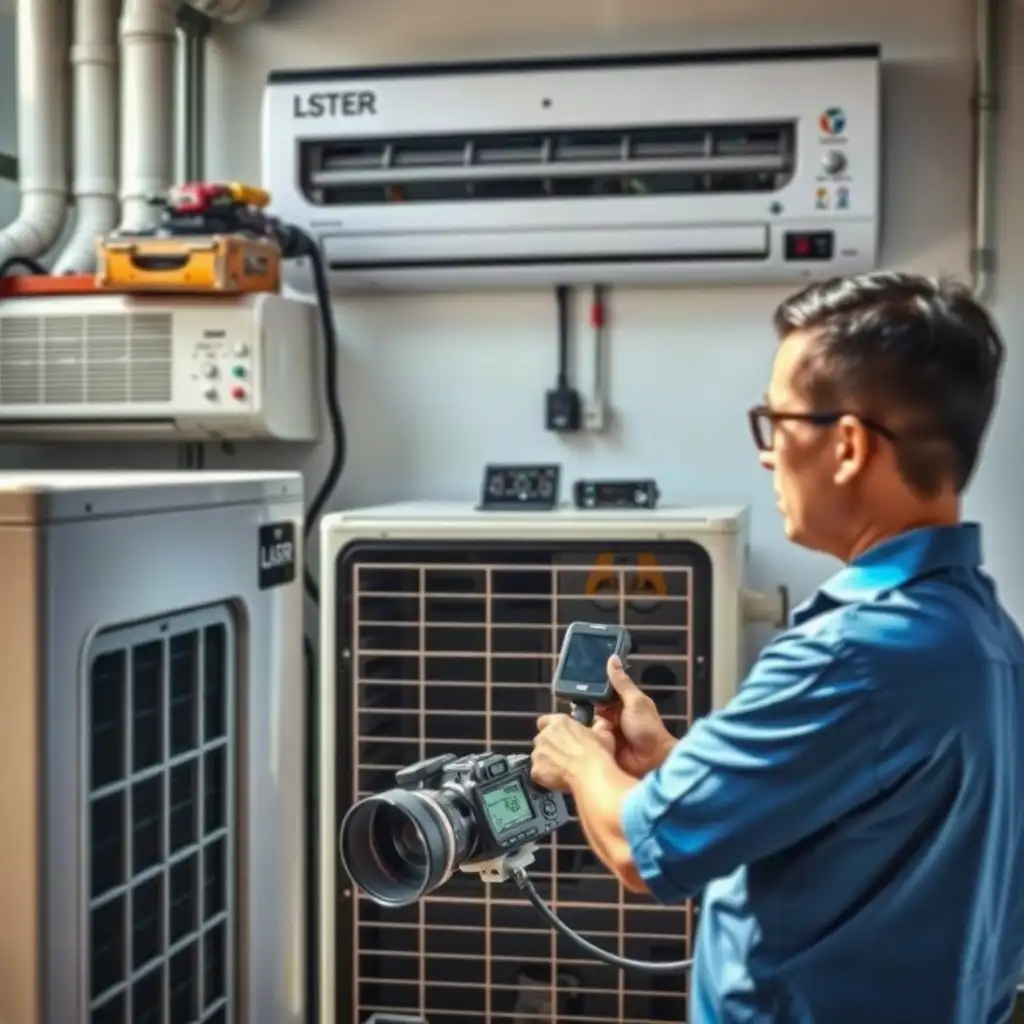
Key Takeaways
- Homeowners in Puchong find that humid weather affects the performance and lifespan of their inverter air conditioners, necessitating specific maintenance plans.
- This article highlights common problems, like PCB failures from dust and moisture, helping users address small issues before they escalate.
- Readers learn that proper installation and regular servicing are essential for improving energy efficiency and reducing repair costs related to complex electronic parts.
PCB Sensitivity and Replacement Costs
Inverter air conditioners offer better energy efficiency and quieter operation but present more maintenance challenges due to their delicate printed circuit boards (PCBs). In Puchong’s humid climate, these PCBs can be easily damaged; dust buildup or moisture exposure can cause significant issues. Technicians note that the PCB is a common failure point in inverter systems, which increases repair costs when replacements are needed.
Unlike non-inverter models with simple mechanical parts and fewer electronic components, resulting in less frequent servicing, inverter units require careful attention. The cost of replacing a faulty PCB can be high, so regular cleaning and preventive measures are essential for optimal performance. Homeowners should monitor humidity levels and control pests around their AC units, as neglecting these factors may lead to additional repairs.
Maintenance Tips
– Regularly clean your AC unit.
– Keep an eye on humidity levels.
– Control pests near your unit.
By proactively addressing these concerns, homeowners can help ensure their inverter air conditioner operates smoothly for years.
Importance of Proper Installation
The importance of proper installation is crucial for inverter air conditioners. These units have advanced electronics that require careful setup for optimal performance. Improper installation can lead to issues like poor cooling and increased wear on parts. Incorrect refrigerant levels or insufficient insulation can reduce efficiency by up to 25%. Homeowners in Puchong may face higher energy bills and more frequent repairs as their unit struggles.
An experienced technician ensures vital components, like drainage systems, are correctly installed. This minimizes the risk of water damage or mold growth inside the indoor unit, common issues due to Puchong’s tropical climate.
Long-term Reliability
Problems from a bad installation extend beyond immediate issues; they can create long-term reliability challenges where small glitches may arise from setup mistakes. It is essential to choose skilled professionals who understand local environmental factors. This helps maintain comfort while keeping costs down over an inverter AC’s lifespan.
The Pros & Cons of Inverter vs Non-Inverter ACs
Pros
-
Inverter ACs provide significant energy savings when compared to non-inverter models.
-
They operate more quietly and steadily because of consistent motor speed control.
-
Inverter compressors undergo less mechanical wear, which may help extend their lifespan.
-
When properly installed, inverter units can remain effective for over six years without losing performance.
-
Spare parts for popular inverter brands like Daikin and Panasonic are easily accessible in Malaysia.
-
Non-inverter ACs have a simpler design, making them easier and cheaper to maintain.
Cons
-
Inverter ACs contain intricate electronic parts that need careful maintenance.
-
Fixing inverter units can be expensive since PCB replacements cost a lot.
-
The quality of installation greatly affects how an inverter performs; if it's poorly installed, efficiency might drop by 15-25%.
-
Non-inverter ACs may not have the advanced energy-saving features but tend to be more dependable with fewer breakdowns.
-
Frequent error codes in inverter systems make it harder for technicians to troubleshoot issues.
-
Both types require regular servicing every 3 to 12 months, but skipping maintenance can lead to a decrease in efficiency by 20-30%.
Regular Servicing and Filter Cleaning
Routine maintenance is essential for inverter ACs in Puchong, where the humid climate can wear down sensitive parts. Regular servicing and filter cleaning are crucial for keeping the system efficient and extending its lifespan. Homeowners should clean or replace filters every few months to remove dust and allergens that accumulate quickly. Ignoring these tasks can block airflow, strain the system, and increase energy consumption by up to 30%.
Professional Servicing
It’s advisable to schedule professional servicing every six months or annually, not only for cleaning but also for checking refrigerant levels, inspecting electrical connections, and evaluating overall performance. Inverter systems require more attention than traditional units due to their advanced electronics; technicians often need special knowledge about error codes related to operational issues with electronic components.
By focusing on regular care designed specifically for inverter models, homeowners can avoid unexpected breakdowns and significantly increase their unit’s lifespan, especially important given Puchong’s challenging weather conditions.
Error Code Diagnostics in Inverter Acs
Inverter air conditioners present challenges in diagnosing problems due to various error codes. Each code helps technicians identify specific malfunctions or operational issues within the unit. Common codes may indicate wiring faults or communication breakdowns between components. Homeowners in Puchong should pay attention to these signals; addressing them quickly can prevent minor issues from becoming costly repairs.
When an inverter AC displays an error code, it often signifies deeper electronic concerns due to its complex design, less common in non-inverter models. The advanced technology behind inverter systems may lead users to believe they are more prone to failure; yet, this perception stems from their intricate setup rather than actual reliability issues. Correctly interpreting these codes allows professionals skilled in modern HVAC technology to troubleshoot and resolve issues more efficiently.
User Engagement
knowing how error diagnostics work improves user involvement with maintenance routines for their units. It encourages homeowners in Puchong to take proactive measures instead of waiting for a breakdown before seeking help. This awareness enables residents to spot potential issues early and enhances communication with service technicians during maintenance visits, a crucial factor that boosts reliability and longevity for their inverter ACs in local climate conditions.
Key Maintenance Insights for Inverter ACs
| Maintenance Aspect | Inverter ACs | Non-Inverter ACs |
|---|---|---|
| Complexity | More complex due to sensitive electronics and PCB | Simpler construction with fewer electronic parts |
| Reliability | Generally perceived as less reliable | Known for reliability and fewer faults |
| Error Codes | Frequently displays error codes for various issues | Typically generates fewer error codes |
| Installation Quality | Critical for performance; improper installation can reduce efficiency by 15-25% | Less impact from installation quality |
| Routine Maintenance Frequency | Requires professional servicing every 3 to 12 months; more attentive care needed | Professional servicing recommended every 3 to 12 months |
| Lifespan | Expected to last as long as non-inverter units if well maintained | May last over 10 years |
| Repair Costs | Higher due to expensive PCB replacements | Generally lower repair costs |
| Component Sensitivity | Sensitive to dust, water vapor, and pests | Less sensitivity, simpler maintenance |
| Compressor Operation | Smooth continuous operation reduces wear | Harsh start-stop cycling may lead to more wear |
Comparative Repair Costs and Reliability
Repair costs for inverter air conditioners can concern homeowners in Puchong. These systems are more complex, leading to significantly higher repair expenses compared to non-inverter models. This increase is primarily due to sensitive electronic components like the printed circuit board (PCB), which often fail because of environmental factors like humidity and dust common in this area. In contrast, non-inverter ACs have simpler designs that result in lower repair frequencies and costs; their straightforward construction allows technicians to service them quickly without dealing with complicated electronics.
Reliability
Many users report mixed experiences with inverter units, they appreciate their energy efficiency but sometimes encounter faults linked to intricate electronic parts. While both types can last over a decade with proper maintenance, inverter systems require extra care. Owners must follow routine servicing protocols and invest in preventive measures against issues like PCB malfunctions or refrigerant leaks.
Maintenance Considerations
Some may argue that non-inverters excel in maintenance simplicity and cost-effectiveness, but residents considering an upgrade or new purchase should keep Puchong’s unique climate conditions in mind, the long-term benefits of inverter technology shouldn’t be overlooked. Initial repair costs might seem high due to expensive components like PCBs, these units are designed for greater operational savings through reduced energy consumption over time if properly maintained.
Understanding these dynamics helps property managers and homeowners make informed decisions about their HVAC needs based on current local market offerings from brands like Daikin or Panasonic, and better align expectations around ongoing maintenance efforts required for keeping any unit functioning optimally amidst Puchong’s tropical weather challenges.
Compressor Wear and Lifespan
The lifespan of inverter air conditioners largely depends on their compressors. Unlike traditional units that switch on and off, these compressors adjust their speed for continuous operation. This reduces wear and tear, allowing them to last ten years or more with proper maintenance.
Inverter compressors can still develop issues due to environmental factors in Puchong. High humidity can cause condensation problems that harm electrical components linked to the compressor over time.
Maintenance Tips
To keep your compressor working well, regular maintenance is key. This includes checking refrigerant levels and ensuring optimal airflow. Homeowners should note that while a well-maintained inverter AC may have a similar operational life as non-inverter models, neglecting upkeep could lead to faster deterioration and significantly shorten its lifespan due to local climate challenges.
Preventive Measures
Investing effort into preventive measures is essential for maximizing efficiency and protecting against unexpected breakdowns down the line.
Unveiling Inverter AC Maintenance Secrets in Puchong
-
Many people think non-inverter air conditioners don’t need maintenance due to their simpler design. Both inverter and non-inverter ACs benefit from regular filter cleaning and professional servicing every 3 to 12 months for efficient operation.
-
There's a belief that inverter ACs are always more reliable than non-inverter models. In reality, while inverter units offer energy savings and quieter operation, their complex electronic parts can lead to more frequent issues without proper maintenance.
-
Some believe the quality of installation doesn't impact non-inverter AC performance. These units may be less sensitive to small installation mistakes, but getting it right is key for maximizing efficiency and extending the lifespan of both systems.
-
A myth claims inverter compressors don't last as long as those in non-inverter systems. In reality, inverter compressors usually experience less mechanical wear due to continuous operation; with proper care, they can last just as long or longer than non-inverter compressors.
-
Many homeowners think all repairs for inverter ACs will be expensive. While some parts like PCBs can be pricey, these units might require fewer repairs overall since they operate more smoothly, potentially making them more cost-effective over time compared to non-inverter models.
Impact of Tropical Climate on Maintenance
In Puchong, the tropical climate influences how often inverter air conditioners require maintenance. High humidity and temperature changes can lead to quicker wear on sensitive parts like printed circuit boards (PCBs), essential for proper functioning. Homeowners often notice dust accumulating around their units due to environmental conditions, complicating cleaning efforts. These factors increase the likelihood of breakdowns, making regular cleaning necessary for performance and crucial for avoiding costly PCB repairs. Technicians emphasize the importance of caring for these delicate electronics; neglecting this can result in unexpected service calls and unnecessary expenses.
Weather Impact
it’s important for residents in Puchong to understand how local weather patterns affect AC performance when planning maintenance strategies. Excessive moisture can cause corrosion or short-circuits in electronic components if preventive measures, like installing protective covers or ensuring drainage systems work correctly, are not addressed. Homeowners should also consider pest control since common intruders like lizards can damage wiring and connections inside outdoor units, a problem that worsens with humidity, where pests thrive. By being proactive about these local issues and understanding their impact on unit lifespan and efficiency, residents can make better decisions regarding maintenance routines and professional servicing needs amid the demands of living in a tropical environment.
Voltage Stabilizer for Inverter Acs
Voltage stabilizers are essential for enhancing the lifespan and efficiency of inverter air conditioners, particularly in Puchong, where power fluctuations occur frequently. The electronic components in inverter systems, especially the printed circuit boards (PCBs), require stable voltage to function properly. Sudden voltage spikes or drops can cause malfunctions that disrupt operation and lead to costly repairs. By adding a voltage stabilizer, homeowners can mitigate risks from electrical surges that may impact their AC’s performance.
Protection Against Environmental Challenges
Investing in a quality voltage stabilizer offers protection against environmental issues common in Puchong. High humidity levels and storms can create unstable electricity supply; these devices maintain consistent operating conditions for inverter units. This proactive measure safeguards sensitive electronics while optimizing energy use, resulting in lower utility bills over time and extending the system’s lifespan. Homeowners should consult HVAC professionals about compatible models for their setups to enhance reliability and comfort despite local climate challenges.
Effective Maintenance Strategies
Effective maintenance strategies for inverter air conditioners in Puchong focus on a proactive approach that addresses local climate challenges and system complexity. Homeowners should prioritize routine filter cleaning. Neglected filters decrease airflow, increase energy consumption, and cause sensitive components like PCBs to wear out faster.
Regular inspections by qualified technicians are crucial. These checks maintain optimal refrigerant levels and ensure wiring integrity, key factors in preventing malfunctions in electronic systems.
Weather Considerations
Understanding how weather impacts AC performance allows homeowners to take preventive measures tailored to their needs. Sealing outdoor units against moisture or applying protective coatings can reduce corrosion risks tied to humidity changes.
By staying involved with their unit’s upkeep through timely service appointments or simple DIY tasks, residents can improve the efficiency and lifespan of their inverter models. This attention is especially crucial in Puchong’s tropical environment where small oversights might lead to costly repairs later on.
FAQ
What are the main maintenance differences between inverter and non-inverter air conditioners in Puchong?
In Puchong, inverter air conditioners require more regular and specialized maintenance due to their advanced electronic components compared to non-inverter units.
How does the tropical climate in Puchong affect the performance of inverter ACs?
The high humidity and dust in Puchong’s tropical climate can cause inverter ACs to have issues with delicate electronic parts.
What routine maintenance is recommended for both types of air conditioning systems?
Routine maintenance for air conditioning systems includes regular filter cleaning and professional servicing every 3 to 12 months, or efficiency may drop by 20-30%.
Why are repair costs typically higher for inverter ACs compared to non-inverter models?
Repair costs for inverter air conditioners are generally higher than for non-inverter models due to the expensive PCBs and added complexity of repairs.
What factors contribute to the lifespan of inverter and non-inverter air conditioners?
The lifespan of inverter and non-inverter air conditioners varies based on installation quality, maintenance, and the operating environment, particularly in Puchong’s tropical climate.
How can homeowners protect their inverter ACs from environmental challenges in Puchong?
Homeowners in Puchong can protect their inverter air conditioners by using surge protection, cleaning them regularly, and implementing pest-control strategies.