Check Refrigerant Leak Causes in Puchong
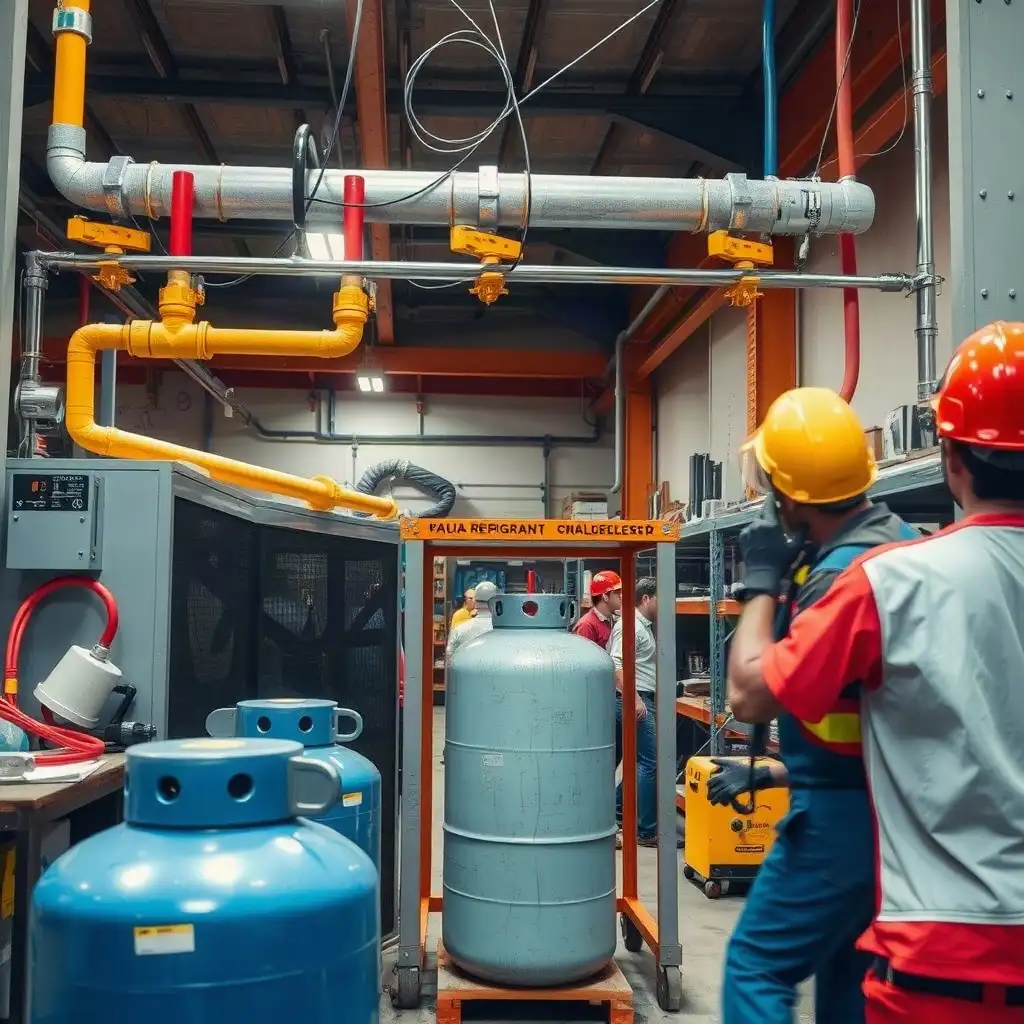
Refrigerant leaks in Puchong pose a danger for homeowners. These issues can arise from aging HVAC systems or installation mistakes. The humid climate leads to corroded joints and cracked pipes that may go unnoticed. Debris or pests can also weaken the system’s integrity. Regular maintenance checks help homeowners identify these problems early and keep their air conditioning running smoothly in Malaysia’s hot weather.
Overview of Refrigerant Leak Causes
Refrigerant leaks can occur due to various issues affecting HVAC systems. Common problems include component wear from heat and humidity in Puchong, which can cause joints to corrode or pipes to crack. Poor installation practices may create weak spots where refrigerants escape unnoticed. External factors, like debris falling onto units or pests entering ducts, can also lead to vulnerabilities. Homeowners should schedule regular inspections to identify potential leak sources and maintain efficient air conditioning during Malaysia’s hot climate. Understanding these causes highlights the importance of maintenance for home comfort.
Causes of Refrigerant Leaks
– Component degradation from heat and humidity
– Poor installation leading to weak points
– External influences like debris or pests
Refrigerant Leak Detection Methods
Effective refrigerant leak detection is essential for keeping HVAC systems in Puchong running smoothly. Several methods exist to find these leaks, each designed for specific purposes and varying accuracy levels. One common method is pressure testing with nitrogen gas, which checks for pressure changes to determine system loss. Electronic leak detectors efficiently locate leaks at fittings and joints using sensitive sensors that detect even small amounts of refrigerants.
Ultraviolet Dye Testing
Another useful technique is ultraviolet dye testing, which reveals hidden leaks when exposed to UV light, making it easier to identify and fix issues. Soap bubble tests remain a reliable option; applying soapy water on suspected leak areas will create bubbles if air or refrigerant escapes. Regularly using these methods supports compliance with JAS regulations while ensuring effective cooling systems, ultimately safeguarding your property investment and environmental responsibilities.
The Pros & Cons of Refrigerant Leak Management
Pros
-
Managing leaks effectively boosts the efficiency of HVAC systems, leading to lower energy use and reduced operating costs.
-
Fixing issues promptly lowers the chances of damaging equipment, helping air conditioning systems last longer.
-
Following Malaysian Department of Environment (DOE) regulations keeps us in line with environmental standards and cuts down on harmful emissions.
-
Using advanced detection tools like electronic gas detectors and infrared thermal imaging improves how well we find leaks.
-
Handling refrigerants properly supports international agreements such as the Montreal Protocol, aiding efforts to protect our environment globally.
-
Hiring certified professionals for leak repairs builds trust and ensures quality service.
Cons
-
In Malaysia, professional leak detection and repair services usually cost between RM120 and RMThis can be a financial strain for some homeowners or businesses.
-
If leaks are not addressed quickly, you might see higher energy bills and face potential long-term damage to HVAC systems.
-
Some service providers or consumers may find the complexity of regulatory compliance challenging, especially if they aren’t familiar with DOE guidelines.
-
A shortage of skilled technicians trained in advanced leak detection technologies can delay repairs.
-
Environmental regulations could require businesses to take on extra responsibilities regarding refrigerant handling documentation and reporting.
-
Repair processes might disrupt business operations or reduce comfort levels in residential spaces.
JAS Refrigerant Leak Detection Protocols
The Jabatan Alam Sekitar (JAS) has established rules for detecting refrigerant leaks that HVAC professionals in Puchong must follow. These guidelines help technicians find and fix leaks efficiently, reducing environmental harm. JAS requires key steps, including visual inspections and electronic detectors to locate leaks accurately. Pressure testing with nitrogen gas is also important; it checks the system’s integrity by observing pressure changes that may indicate a leak.
Documentation
Keeping accurate records is essential for complying with JAS regulations. Technicians must document their observations during inspections and repairs, this transparency builds trust with clients and promotes accountability within service operations. Training from organizations like Eakon Academy equips HVAC specialists with the skills to apply these standards effectively. Hiring certified professionals ensures proper care under JAS guidelines, protecting both efficiency and compliance with Malaysia’s strict environmental laws regarding refrigerant handling.
Repair and Re-gassing Procedures
Once you’ve confirmed a refrigerant leak, the next step is to repair and recharge your system for efficient operation. Technicians first fix any leaks before adding new refrigerant, reducing waste and preventing future issues. Common methods include brazing or replacing broken parts and ensuring all joints and fittings are secure under pressure.
Post-repair Tasks
After fixing the leaks, professionals conduct pressure testing to ensure everything is intact. They evacuate air and moisture from the system to prevent contaminants from affecting the new refrigerants. It’s crucial to follow manufacturer guidelines for different refrigerants, like R-410A or R-32, while accurately balancing charges; too much or too little can cause efficiency issues. By following these steps, you improve cooling capacity and comply with JAS regulations for responsible refrigerant management in Puchong’s HVAC systems.
Top Causes of Refrigerant Leaks in Puchong
| Service/Attribute | EKG M & E Sdn Bhd | Eakon Academy | Malaysian Department of Environment (DOE/JAS) |
|---|---|---|---|
| Location | Kuala Lumpur | Malaysia | |
| Specialization | Refrigerant Leak Repair | HVACR Education | Refrigerant Leak Detection Procedures |
| Types of Services Offered | Leak detection, repair, re-gassing | Technician training | Compliance regulations |
| Detection Methods | Electronic leak detection, bubble testing, pressure testing | Hands-on skill development | Visual inspection, electronic detectors |
| Approved Refrigerants | R-32, R-410A, R-134a, R-513A, R-407C, R-22, R-1234ze | ||
| Compliance Standards | DOE refrigerant handling regulations | DOE-aligned education | Montreal Protocol, Kigali Amendment |
| Typical Repair Costs | RM120 – RM350 | ||
| Final Performance Tests | Yes | ||
| Reporting Requirements | Clear reporting | Documentation and reporting mandatory | |
| Training and Certification | Yes | Required for technicians | |
| Additional Services | System optimization |
Effects on Air-cooled Chiller Systems
Refrigerant leaks in air-cooled chiller systems can create serious problems for places that depend on reliable cooling. When these leaks occur, the effects are noticeable: uneven temperatures or a spike in energy bills as the system struggles to maintain coolness. Unusual hissing sounds or ice forming on evaporator coils indicate refrigerants are leaking and the system is underperforming.
The risks of these leaks extend beyond discomfort; they can lead to equipment damage. In Puchong’s humid climate, maintaining good conditions is essential to protect HVAC investments. Regular checks using advanced detection tools, like infrared thermal imaging or ultrasonic detectors, are crucial for spotting issues before they result in costly repairs. Prompt repairs and routine maintenance will help keep air-cooled systems running smoothly while meeting environmental standards set by authorities like JAS.
Common Causes of Aircon Water Leaks
Water leaks in air conditioning systems often stem from common problems. One key issue is the buildup of dirt and debris in condensate drain lines. This accumulation can block water flow, causing overflow as water backs up into the unit instead of draining correctly. Dirty air filters may limit airflow around evaporator coils, leading to freezing; when those coils thaw, excess water may leak out instead of being funneled through the drainage system.
Another factor behind these leaks is low refrigerant levels. Insufficient refrigerant due to leaks or incorrect charging methods causes temperature changes within the system that lead to ice forming on cooling components. Once this ice melts, often worsened by high humidity conditions in Puchong, it results in pooling beneath the AC unit. Homeowners should watch for signs like puddles near their units and seek professional help quickly if they suspect a problem; addressing these issues early prevents property damage and maintains efficient HVAC operations.
Unveiling Refrigerant Leak Myths in Puchong
-
Refrigerant leaks hurt cooling efficiency and increase energy bills due to higher power usage.
-
Advanced leak detection methods like infrared thermal imaging and ultrasonic gas detectors provide more dependable results than simple visual checks.
-
Refrigerant leaks release harmful emissions that impact air quality and contribute to climate change, according to Malaysia's Department of Environment (DOE).
-
Fixing a refrigerant leak is essential; diagnosing and repairing it quickly can prevent rising operating expenses and avoid potential harm to your HVAC system.
-
Refrigerants like R-22 are being phased out due to their potential to deplete the ozone layer, leading users toward approved alternatives like R-32 and R-410A.
HVAC Technician Training in Malaysia
In Malaysia, training skilled HVAC technicians is crucial for managing refrigerant leaks. Institutions like Eakon Academy provide technicians with the knowledge and practical experience needed to work effectively in local conditions. Their programs follow guidelines from the Jabatan Alam Sekitar (JAS), ensuring trainees understand environmentally responsible practices related to refrigerant handling and leak detection.
Technicians learn to identify different types of leaks and effective repair methods that meet safety standards. They become familiar with pressure testing techniques using nitrogen gas and gain expertise in using electronic leak detectors through a comprehensive curriculum.
These educational programs promote continual learning; as technology and regulations change, so must the skills of those maintaining HVAC systems in Puchong. By investing in certified professionals trained under strict standards, homeowners can feel confident knowing their air conditioning units are managed by experts dedicated to operational efficiency and environmental responsibility.
Cost Considerations for Repairs
When considering the costs of fixing refrigerant leaks, several factors come into play. The complexity of the issue directly affects expenses; simple leaks may cost less to repair, while extensive damage can lead to higher charges. In Puchong, typical service rates for fixing refrigerant leaks range from RM120 to RM350, depending on the repairs needed, this includes cleaning clogged condensate lines and more complicated gas leak fixes.
Potential extra costs related to replacing parts or re-gassing the system after sealing a leak should be considered; using approved refrigerants like R-32 or R-410A ensures compliance with local regulations but may vary in price based on market demand and availability. It’s important to address immediate problems and consider long-term savings from regular maintenance practices that can prevent costly emergencies.
By being proactive about HVAC systems and hiring qualified technicians who follow JAS-compliant methods, one protects finances and comfort over time without compromising environmental standards set by authorities in Malaysia.
Addressing Refrigerant Leaks Effectively
To address refrigerant leaks, use a systematic approach. Hire certified professionals familiar with JAS-compliant methods; they can locate and repair issues while adhering to environmental standards. After confirming a leak, technicians will make necessary repairs, typically sealing the leak or replacing damaged parts, before recharging any refrigerant.
Repairs
Once repairs are done, it’s important for them to conduct pressure testing and remove moisture from the system. These steps protect against contaminants that could affect performance with new refrigerants.
Charging
Technicians also focus on manufacturer guidelines regarding charging specifics, achieving the right balance of refrigerants like R-32 or R-410A boosts efficiency and complies with local sustainability regulations.
Post-repair Evaluation
After repairs, targeted performance tests confirm optimal cooling capacity without hidden leaks causing future problems. In Puchong’s humid climate, where HVAC systems work hard, prompt action and informed maintenance practices help create a comfortable and resource-responsible environment.
FAQ
What are the common signs that indicate a refrigerant leak in my air conditioning system?
Common signs of a refrigerant leak include inconsistent cooling, high energy consumption, ice on evaporator coils, frequent compressor cycling, and hissing or bubbling noises.
How can I ensure that my HVAC service provider complies with Malaysian DOE regulations?
Homeowners and businesses must ensure their HVAC provider, like EKG M & E Sdn Bhd, is certified and follows Jabatan Alam Sekitar (JAS) guidelines for refrigerant handling and leak detection.
What steps should I take if I suspect a refrigerant leak in my home or business?
If you suspect a refrigerant leak, contact certified professionals like EKG M & E Sdn Bhd to quickly diagnose and resolve the issue.
What types of refrigerants are commonly used in HVAC systems, and which ones should I be aware of?
Common HVAC refrigerants include R-32, R-410A, R-134a, R-513A, R-407C, and R-22, with R-1234ze as a low global warming potential option.
How can regular maintenance help prevent refrigerant leaks and improve system efficiency?
Regular maintenance reduces refrigerant leaks, boosts efficiency, and enables early detection of potential problems, as noted by EKG M & E Sdn Bhd.