
Causes of AC Short Cycling in Puchong
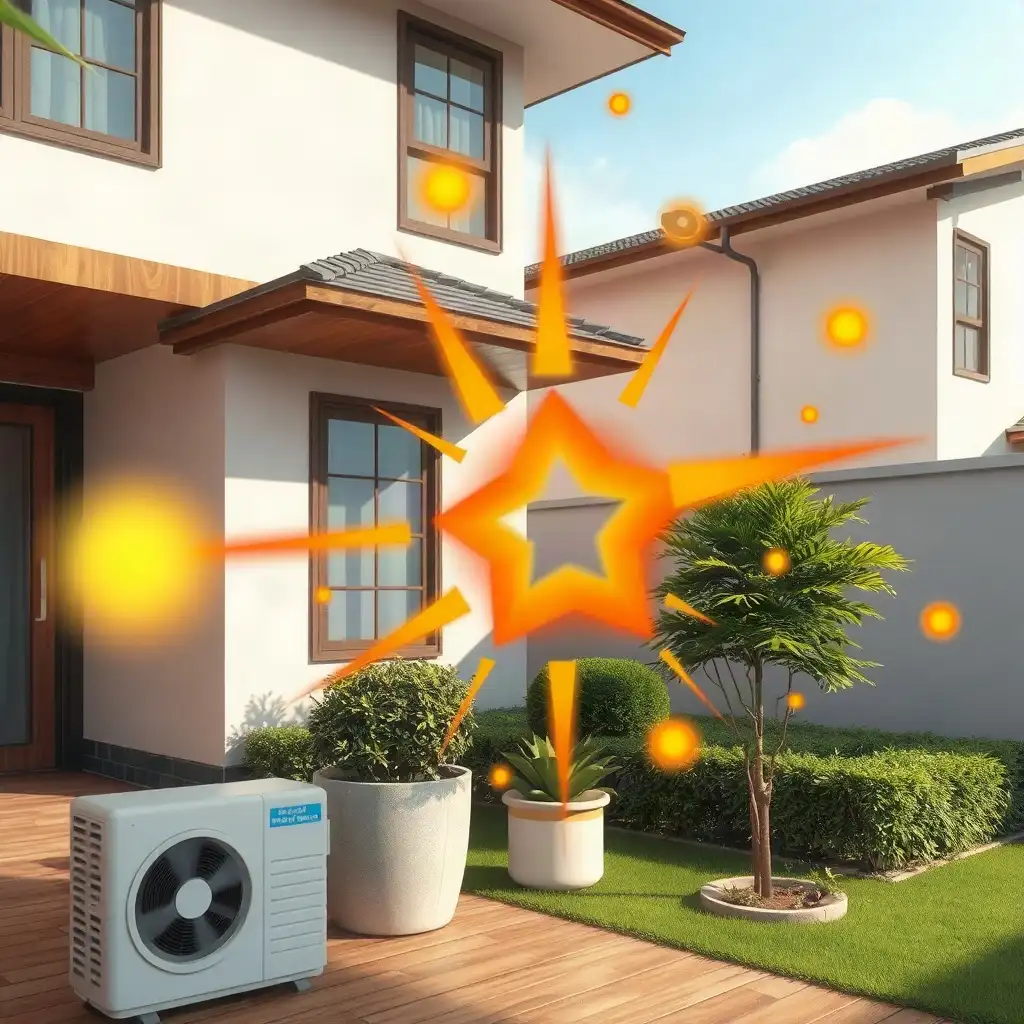
In Puchong’s humid climate, air conditioning systems face short cycling, increasing energy costs and causing early wear on parts. Homeowners often have oversized units that cool spaces too quickly without removing moisture. Dirty filters and faulty thermostats block airflow and lead to incorrect temperature readings. High humidity levels and seasonal haze force compressors to work harder and cycle more often. By understanding these causes, residents can improve system efficiency and extend equipment life.
Humidity's Role in AC Short Cycling
The high humidity levels in Puchong make AC short cycling a common issue. In a tropical climate, air conditioning units must cool the air and reduce humidity. Non-inverter compressors, which either run at full power or shut off completely, work harder to maintain comfortable indoor temperatures and remove excess moisture. When these systems cycle too quickly, they waste energy and stress components like the compressor, leading to faster wear and potential breakdowns compared to units in less humid areas. Understanding how environmental factors worsen short cycling helps homeowners make informed changes to improve efficiency and extend equipment life.
Filter Clogging From Dust and Haze
In Puchong, dust and haze create problems for air conditioning systems, especially affecting filter performance. Filters get dirty much faster than in cooler areas, sometimes 3-4 times quicker. The sticky nature of the dust particles, worsened by humidity, clogs AC filters and limits airflow. This limitation forces compressors to work harder to pull in enough air for effective cooling and dehumidification.
A unit that usually cycles correctly may start showing short cycling behavior due to this extra strain.
Annual Haze Season
The annual haze season from June to October exacerbates this issue as particulate matter from nearby forest fires adds more contaminants to the air. Homeowners often forget routine maintenance; yet, skipping regular filter cleaning can lead to poor cooling, increased energy consumption, and reduced indoor comfort levels. A proactive approach, cleaning or replacing filters every two weeks during normal periods and weekly during hazy months, can help keep your system performing well while preventing unnecessary wear on important parts like compressors.
The Pros & Cons of AC Efficiency in Puchong
Pros
-
High humidity levels in Puchong make it important to cool and dehumidify your space for better comfort.
-
Regular maintenance, like cleaning filters every two weeks, can really boost the efficiency and lifespan of your AC.
-
Setting thermostats between 24–26°C helps you save energy while staying comfortable.
-
Keeping airflow clear around both indoor and outdoor units lessens stress on the compressor, which helps it last longer.
-
Using fan mode after cooling dries out internal parts, preventing mould growth and enhancing system performance.
-
Getting professional servicing every 3–4 months tackles problems that cause short cycling, improving overall function.
Cons
-
Frequent short cycling caused by high ambient humidity leads to increased energy wastage and reduces the compressor lifespan by 2–3 years compared to temperate climates.
-
Clogged filters from dust and haze can restrict airflow, making compressors cycle more often and work harder.
-
Extended daily operating hours (8–12 hours) exceed manufacturer recommendations, speeding up wear on components.
-
Mould growth inside units due to persistent moisture can hinder cooling efficiency and cause further operational issues.
-
Incorrect sizing of AC units may result in inefficient operation; undersized units run continuously while oversized ones cycle frequently without adequate dehumidification.
-
Outdoor unit overheating from direct sunlight exposure increases load on the compressor, contributing to irregular performance.
Extended Daily Operating Hours
In the humid climate of Puchong, air conditioning units often work harder than recommended by their manufacturers, leading to quicker wear and tear. Many homes run their AC systems for 8 to 12 hours a day to cope with the intense heat and humidity. This extended use causes dirt buildup and raises moisture levels inside the system. Parts like coils can become saturated faster, causing compressors to use more energy while handling high demands.
When air conditioners operate beyond their intended capacity for long periods, they face inefficiencies. Units may frequently turn on and off as they manage temperature and remove excess moisture from indoor spaces. This constant cycling wastes electricity and increases stress on components like capacitors and compressors, potentially resulting in mechanical problems later.
Strategies for Better Cooling
To tackle these issues related to extended operating times, homeowners should consider smarter cooling methods. Simple changes like setting thermostats at moderate temperatures or using fan modes intermittently can help lighten the load without significantly sacrificing comfort. Using timers or smart home technology enables users to cool down areas during cooler times of day or reduce unnecessary runtime when rooms are empty, a practical way to enhance both efficiency and longevity of HVAC systems in Puchong’s unique climate conditions.
Mold Growth Inside AC Units
Mold growth in air conditioning units is a serious issue for homeowners in Puchong due to the area’s warm, humid climate. Moisture on evaporator coils and blower wheels creates an ideal environment for mold. This buildup threatens health and insulates system parts, reducing heat transfer efficiency. Compressors may struggle to maintain steady temperatures, running longer than necessary or cycling frequently without effectively removing humidity.
Homeowners facing humidity problems should proactively keep their systems clean, using fan mode after cooling can help dry internal components, and consider scheduling regular professional cleanings. By addressing mold growth through maintenance practices, residents can enhance their AC unit’s performance while maintaining a healthier indoor environment free from allergens linked to fungal growth.
Key Factors Behind AC Short Cycling
| Factor | Description |
|---|---|
| High Ambient Humidity | Humidity levels in Puchong typically range from 75% to 85%, leading to continuous compressor operation for dehumidification. |
| Filter Clogging | AC filters in Malaysia clog 3-4 times faster due to sticky dust particles, especially during the haze season (June to October). |
| Extended Operating Hours | Malaysian homes commonly run AC units for 8–12 hours daily, exceeding the recommended 4–6 hours. |
| Mould Growth | Moisture on evaporator coils fosters mould growth, reducing heat transfer efficiency and causing inefficiencies. |
| Outdoor Unit Overheating | Condenser units often face temperatures of 40–45°C in direct sunlight, affecting their heat rejection efficiency. |
| Incorrect Sizing | Undersized units cannot keep up with heat gains, while oversized units shut off too quickly, both causing short cycling. |
| Recommended Maintenance | Regular filter cleaning every two weeks, and professional servicing every 3–4 months is advised to mitigate issues. |
| Thermostat Settings | Setting the thermostat to a moderate 24–26°C can help reduce unnecessary compressor runtime. |
| Airflow Clearance | Maintaining clearances of at least 50 cm around indoor units and 30 cm around outdoor units is necessary for adequate airflow. |
| Fan Mode Operation | Running the fan mode for 10 minutes after cooling mode helps dry interior components and inhibit mould growth. |
Outdoor Unit Overheating Issues
Outdoor units face challenges leading to AC short cycling, especially in the heat of Puchong. Often placed in direct sunlight, these outdoor condensers can reach temperatures of 40–45°C during the day. This high heat affects their ability to expel heat from refrigerants, forcing compressors to work harder to keep homes cool. When these outdoor units overheat, they may turn on and off more frequently while trying to maintain comfortable indoor conditions. This wastes energy and puts extra pressure on components like capacitors and motors.
Preventative Measures
To tackle this issue proactively, homeowners should consider shading their outdoor units with landscaping or structures that allow airflow while blocking direct sunlight without hindering ventilation paths. Regularly checking for blockages around these systems helps ensure optimal performance by maintaining proper airflow, crucial for effective heat exchange during the hot Malaysian summers.
Routine Maintenance
scheduling routine maintenance checks every few months allows technicians to spot potential issues before they develop into costly repairs or replacements due to overheating caused by poor cooling efficiency from exposed condenser coils battling external weather pressures unique to Puchong’s environment. By adopting such preventative measures and being mindful of operational habits linked to local weather patterns year-round, system reliability will significantly improve over time.
Impacts of Incorrect AC Unit Sizing
An often-overlooked factor in the performance of air conditioning systems in Puchong is incorrect sizing. Many homeowners choose units that are either too big or too small for their needs, leading to inefficient operation. An undersized AC unit struggles with the heat typical of tropical climates, running constantly without effectively cooling and dehumidifying spaces. An oversized unit cools a room quickly but fails to remove enough moisture before shutting off, resulting in short cycling as it frequently turns on and off while trying to maintain temperature settings.
Homeowners should understand their space’s requirements or consult HVAC professionals for accurate load calculations before purchasing new systems. This approach ensures comfort and boosts energy efficiency by preventing unnecessary wear on components like compressors due to improper sizing. By matching system capacity with actual demand, residents can reduce issues related to short cycling while extending equipment life, an important consideration given Puchong’s challenging climate conditions.
Unveiling AC Short Cycling Secrets in Puchong
-
Many people think air conditioners in Puchong can work well without regular maintenance, but skipping service leads to dirt and mould buildup, causing short cycling issues.
-
A common myth is that turning the thermostat down to a very low temperature cools a room faster. In reality, this puts extra strain on the compressor, leading to more frequent cycling and potential damage.
-
Some believe any size of air conditioning unit works for any space. If a unit is too small or too large, it won’t cool efficiently and may contribute to short cycling problems.
-
People often assume high humidity doesn't affect an air conditioner's performance. With Malaysia's typical humidity levels between 75% and 85%, AC units face operational challenges that increase the chance of short cycling.
-
There’s a belief that outdoor condenser units perform best in direct sunlight. Yet when exposed to high temperatures, often hitting 40–45°C, their efficiency drops and they are likely to experience short cycling issues.
Recommended Thermostat Settings
Optimal thermostat settings are crucial in managing AC short cycling, especially in Puchong’s humid climate. Homeowners should set thermostats to moderate temperatures, ideally between 24°C and 26°C, rather than extremes like 16°C. These adjustments maintain comfort and reduce strain on compressors that work harder to reach unrealistic temperature goals. Allowing the system to operate within its designed parameters enables effective cooling and dehumidification without rapid cycling.
Keep Doors and Windows Closed
Keeping doors and windows closed during operation minimizes the flow of humid air from outside, which can disrupt the air conditioning system’s efforts. Using smart home technology or timers can enhance efficiency by pre-cooling spaces before occupancy or limiting usage when rooms are empty, thus reducing operational demands while saving energy.
Dealing with Humidity Issues
For quick relief from persistent humidity issues, running fan mode briefly after cooling sessions allows moisture-laden parts inside units to dry out more efficiently. This practice helps reduce mold growth risks and potential mechanical failures linked to excessive moisture retention.
Adopting sensible thermostat settings along with proactive habits empowers homeowners in Puchong to tackle short cycling and ensures longer equipment life amidst high heat and humidity levels throughout much of the year.
Best Practices for Reducing Short Cycling
Strategies for mitigating AC short cycling in Puchong require a multifaceted approach tailored to the local environment. One effective method is establishing a regular maintenance routine focused on cleaning and servicing air conditioning units frequently. Homeowners should prioritize filter checks, ensuring they are free from dust and debris, especially during the haze season. Scheduling professional cleanings every three to four months helps maintain airflow efficiency while addressing potential mold growth or mechanical issues before they escalate.
To upkeep, homeowners can benefit from adopting smart cooling habits that adapt to their climate challenges. Utilizing programmable thermostats enables users to set specific temperature schedules aligned with daily routines, pre-cooling spaces just before returning home can significantly reduce energy consumption while preventing unnecessary compressor strain from sudden temperature changes. Employing ceiling fans alongside air conditioning promotes better air circulation within rooms, enhancing comfort without overworking the system.
Outdoor Unit Placement
Another vital consideration lies in optimizing outdoor unit placement and shading strategies; protecting these components from direct sunlight assists them in operating efficiently and minimizes overheating risks linked to frequent cycling behavior under high ambient temperatures typical of Malaysian weather. Creating shaded areas around outdoor condensers improves heat rejection capabilities, which are crucial given how external environmental factors influence overall HVAC performance throughout Puchong’s hot seasons.
Early Detection of Issues
remaining vigilant about identifying signs of malfunction early on plays an essential role in reducing long-term costs associated with repairs or replacements due to neglectful practices regarding maintenance intervals or operational guidelines set forth by manufacturers. Homeowners must stay proactive to extend equipment lifespan and ensure optimal indoor comfort levels amidst fluctuating humidity characteristic of this region’s tropical climate patterns year-round.
Addressing AC Short Cycling in Puchong
Addressing AC short cycling in Puchong requires understanding local conditions and applying specific solutions. The area’s humidity levels usually range from 75% to 85%, meaning air conditioning units must work hard to cool the space and remove moisture. Homeowners should consider how environmental factors affect unit performance. On humid days or after heavy rain, systems may turn on and off more frequently, this indicates that changes are needed.
Regular professional servicing is crucial for keeping the system running smoothly. Technicians can identify issues before they lead to costly repairs or inefficient operation. Scheduling maintenance every three to four months allows professionals to clean parts, check refrigerant levels, and ensure proper airflow, all important steps in reducing short cycling in homes across Puchong. Practicing good maintenance habits while monitoring energy usage patterns helps residents maintain comfortable indoor environments and extend their equipment’s lifespan under tough climate conditions year-round.
FAQ
What are the primary causes of AC short cycling in Puchong?
The main reasons for AC short cycling in Puchong are high humidity, dirty filters, long usage hours, mould growth, overheating outdoor units, and improper system sizing.
How does high ambient humidity affect the operation of air conditioning units?
High humidity in Malaysia causes air conditioning compressors to cycle more frequently, increasing energy use and reducing equipment lifespan.
What maintenance practices can homeowners implement to prevent short cycling?
Homeowners in Puchong can avoid short cycling by keeping air filters clean, setting the thermostat between 24–26°C, ensuring proper airflow, and scheduling professional servicing every 3–4 months.
Why is professional servicing recommended every 3–4 months for AC units in Malaysia?
Air conditioning units in Malaysia should be serviced every 3–4 months to prevent mould, dirt buildup, and component wear, ensuring better performance and longevity.
How does incorrect sizing of AC units contribute to short cycling issues?
Incorrect sizing of AC units causes short cycling; small units can’t meet cooling needs, while oversized units cool too quickly without removing humidity, leading to frequent cycling.
What role does filter clogging play in the performance of air conditioners?
Clogged filters restrict airflow, causing compressors to work harder, increasing energy usage and the likelihood of short cycling.