
Common AC Error Lights Meaning in Puchong
Key Takeaways
- Puchong homeowners find blinking error lights on their AC units important diagnostic signals, indicating issues from small glitches to major mechanical problems.
- This article highlights the need to track blink patterns, like color and frequency, and suggests using technology like video recordings to improve communication with HVAC technicians for quicker troubleshooting.
- Residents in Puchong receive proactive maintenance tips, including routine filter cleaning and ensuring proper unit sizing, which can lessen the chances of error lights appearing and help extend the lifespan of their air conditioning systems.
Identifying Aircond Blinking Error Lights
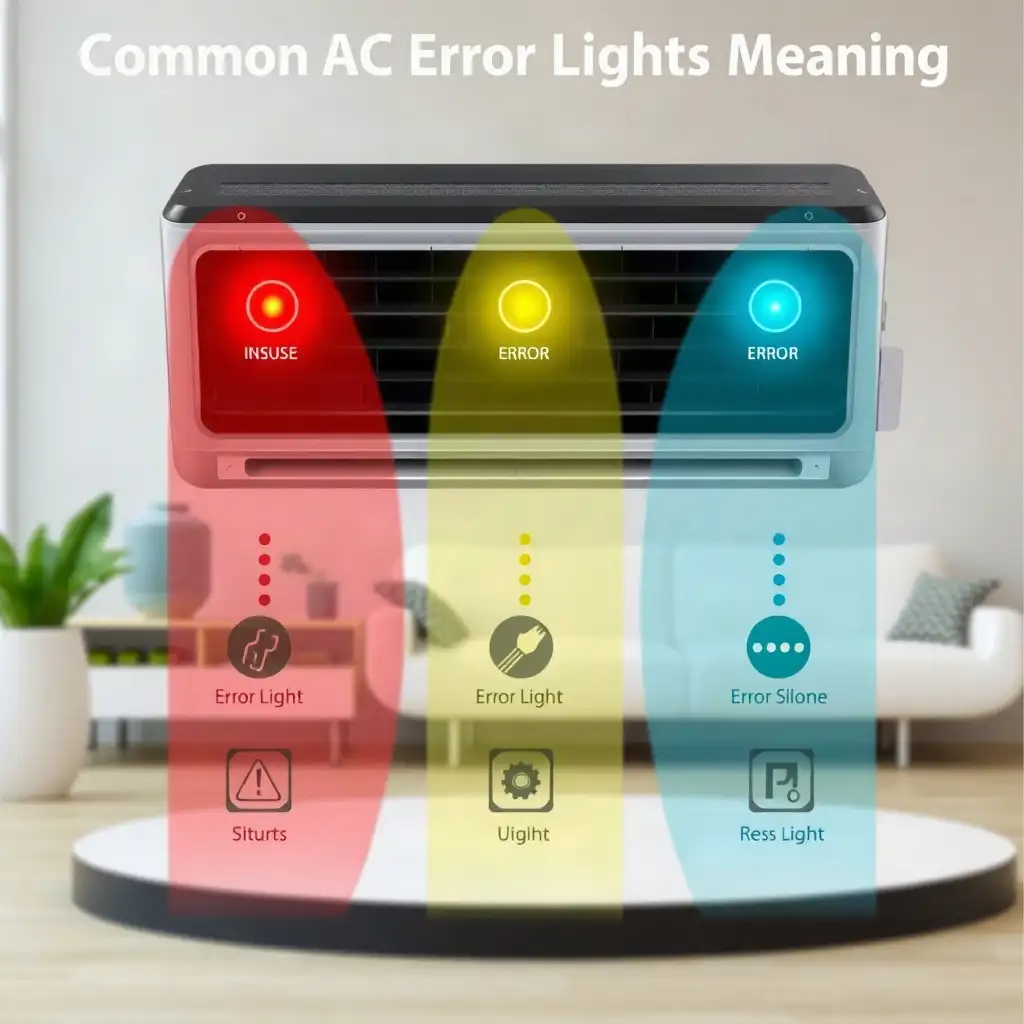
When a blinking error light appears on an air conditioning unit, the first step is to observe and note the blink pattern. Each series of blinks can indicate different issues, from minor sensor problems to serious mechanical failures. Homeowners should pay attention to details like color, frequency, and any letters or numbers accompanying these signals. A quick sequence of green flashes might indicate a specific operational issue, while continuous red lights could suggest more severe problems.
To troubleshoot accurately later, users in Puchong must identify the error code along with their specific brand and model. This information clarifies the meaning of the codes, as interpretations vary among manufacturers like Daikin or Mitsubishi. KL Renovator recommends recording the blinking event via video for easy sharing with technicians during remote assessments; sending details through WhatsApp, including specifics about the unit and actions taken, can expedite diagnosis. By taking these steps early, homeowners can prevent further complications before professional help is needed.
Common Causes of AC Error Codes
When an air conditioning unit shows a blinking error light, homeowners should investigate. Each blink sequence is a coded message from the AC’s self-diagnostic system that reveals issues ranging from simple fixes to serious mechanical problems. Homeowners should note the color and speed of the blinks and any alphanumeric characters on display panels. Quick blue flashes may indicate sensor problems in certain models, while steady yellow lights could signal critical faults.
Troubleshooting Steps
In Puchong, identifying the exact error code and knowing your brand and model is crucial for effective troubleshooting. Different manufacturers like Daikin or Panasonic interpret these codes differently, so having detailed documentation can clarify potential issues. KL Renovator suggests recording videos of these blinking sequences when seeking assistance, this visual reference can facilitate communication with technicians during remote evaluations via WhatsApp by providing key information about the failure. By taking this proactive approach, homeowners can address their AC concerns before they escalate into larger repair needs.
The Pros & Cons of AC Error Diagnosis in Puchong
Pros
-
Error light systems make it easy to diagnose problems, helping you find AC issues faster.
-
Different brands and models use specific codes that help pinpoint the exact problem for each unit.
-
KL Renovator provides services for 20 major brands, giving extensive coverage and expertise in the area.
-
You can get a remote assessment through video, which speeds up service response times and makes diagnosis efficient.
-
The pricing is competitive, including waived diagnostic fees when repairs are done on the same day, making services more accessible.
Cons
-
Misunderstanding error codes can result in wrong diagnoses and unnecessary repairs.
-
Relying on brand-specific manuals might make it harder for users who are not familiar with their units to understand them.
-
Needing professional servicing may lead to extra costs beyond the initial diagnostics.
-
Resetting repeatedly without a proper diagnosis could cause more damage to key components like the compressor or PCB.
-
Emergency situations often demand quick action, creating urgency and potential stress for users dealing with AC failures.
Interpreting Brand-specific Error Codes
Every air conditioning unit has a set of error codes that identify specific problems. In Puchong, when someone sees a blinking error light, the first step is to note the blink pattern, including its color, speed, and any accompanying letters or numbers. Quick yellow flashes followed by longer pauses indicate different issues depending on whether the unit is a Daikin or Mitsubishi, each brand has its own diagnostic method.
Understanding these details is crucial; common interpretations may not apply across brands. KL Renovator emphasizes recognizing both the model and brand when interpreting these signals because fault indicators can differ among manufacturers. Technology can assist in troubleshooting: recording video of the blinking sequence helps clarify concerns when communicating with technicians via WhatsApp. Sharing this visual reference alongside context from before the issue arose improves chances for quick diagnosis and resolution, minimizing delays or costs due to missed signs.
As homeowners systematically observe and document their AC issues, they prepare for potential self-repair and gather crucial information for discussions with professionals, a strategy that ensures comfort while reducing risks linked to neglected maintenance needs.
Proper Reset Procedures for AC Units
The process of resetting an air conditioning unit can fix minor issues that cause blinking error lights, but it’s important to do it correctly. Homeowners in Puchong should first turn off the unit completely using the remote control. They need to cut power at the circuit breaker or isolator for about five to ten minutes. This break helps clear leftover electrical problems and allows the system to reboot. Once power is back on, turning the AC back on is simple; yet, if the error lights return immediately after the reset, there are likely bigger issues.
It’s important not to keep resetting without further checks since this might hide real error codes and worsen existing problems in key components like compressors or printed circuit boards (PCBs). If repeated attempts don’t work and alarms persist, like a malfunctioning capacitor causing humming motors with no movement, it may be time to call a professional instead of attempting DIY fixes. KL Renovator has expertise in diagnosing these complex systems across various brands, helping residents determine whether their problem requires specialized repair work beyond basic troubleshooting.
Decoding Puchong's AC Error Light Signals
| Service/Repair Type | Cost (RM) | Description | Typical Issues Addressed | Duration for Power Isolation | Contact Method |
|---|---|---|---|---|---|
| Diagnostic Fee | 88 | Fee charged for initial diagnostic service | General AC issues | WhatsApp: +60 18-298 3573 | |
| Sensor Replacement | 150 – 250 | Replacement of faulty sensors | Sensor errors | ||
| Capacitor Replacement | 150 – 250 | Replacement of the capacitor in outdoor unit | Capacitor failures, outdoor fan issues | ||
| PCB Repair | 350 – 600 | Repairs to the Printed Circuit Board | Electrical faults, communication issues | ||
| Gas Refill | 2.50 – 3.00 per PSI | Refilling refrigerant gas | Low refrigerant pressure | ||
| Chemical Wash (Wall-Mounted) | Starting at 99 | Cleaning service for wall-mounted AC units | Dirty filters, airflow issues | ||
| Chemical Wash (Ceiling Cassette) | Starting at 220 | Cleaning service for ceiling cassette AC units | Dirty filters, airflow issues | ||
| Emergency Service | Variable | Same-day service for urgent repairs | Immediate cooling failure, leaks | WhatsApp: +60 18-298 3573 | |
| AC Installation | Variable | Installation of new air conditioning units | New unit setups | ||
| General Maintenance Tips | N/A | Recommendations for regular upkeep | Preventive maintenance | ||
| Recommended Horsepower | 1.0 HP (for bedrooms) | Suggested capacity for rooms around 18-22 sq. m | Room size suitability | ||
| Recommended Horsepower | 1.5 HP (for living rooms) | Suggested capacity for rooms around 23-27 sq. m | Room size suitability |
Typical Repair Costs in Puchong
Repair costs for air conditioning systems in Puchong vary based on the problem and parts needing repair. Capacitor replacements, common due to heat exposure, typically cost between RM 150 and RM 250. Compressor issues are pricier; replacement costs start around RM 800 and can reach RM 2,000 depending on the model and brand. These price ranges highlight the importance of understanding error codes: catching an issue early can save homeowners money.
service providers like KL Renovator have clear pricing structures that help residents budget for AC repairs. A diagnostic fee of RM 88 covers initial assessments but is waived if repairs are done during that visit, making it financially wise for homeowners unsure about their unit’s condition. Services like sensor replacements usually range from RM 150 to RM 250, while gas refills cost approximately RM 2.50 to RM 3.00 per PSI, helping residents in Puchong plan ahead without unexpected expenses during the repair process.
When to Call a Professional Technician
When homeowners see blinking error lights on their AC units, it usually indicates the need for a professional. Some minor problems can be fixed through simple troubleshooting, but certain issues require an HVAC technician’s expertise. If resetting the unit doesn’t work or the error light continues to flash after restoring power, deeper issues with components like capacitors or circuit boards may exist. Homeowners should seek help when they notice serious signs like strange noises or water leaks around electrical parts; these situations disrupt comfort and may pose safety risks.
KL Renovator
KL Renovator is ready to help residents in Puchong with their air conditioning issues. Their technicians have experience diagnosing malfunctions across 20 different brands and provide solutions tailored to specific fault codes, this knowledge is key for effective repairs. By contacting them quickly whenever significant problems arise instead of waiting until things break down completely, homeowners can reduce discomfort and keep their air conditioning units running smoothly during hot weather. Keeping communication open through WhatsApp allows customers to get quick guidance, and noting any relevant findings helps make service calls more efficient later on.
Decoding AC Error Lights in Puchong
-
Many air conditioners in Puchong and the KL/Selangor area have self-diagnostic systems that use blinking lights or error codes to signal faults.
-
Each AC brand and model has its own error codes and blink sequences, so it’s important to check the specific unit's manual for accurate diagnosis.
-
Capacitor failures often occur in Malaysia's heat before other problems arise. If not addressed quickly, they can cause major damage as they supply crucial starting power to key components.
-
The diagnostic fee at KL Renovator is RM 88, but if repairs are done on the same day, this fee is waived.
-
Regular maintenance tasks like cleaning or changing filters every six months and ensuring that your AC horsepower matches room size can help reduce errors and extend the lifespan of your unit.
Using Exact Model Manuals for Diagnostics
When dealing with AC error lights, checking the specific model manual is essential for homeowners in Puchong. Each unit has unique codes and procedures that can vary between brands or even models from the same brand. By consulting these manuals instead of relying on general online resources, users can find detailed fault descriptions and troubleshooting steps suited to their system. A Daikin manual might explain blinking patterns unique to its units, while a Panasonic guide could interpret them differently.
Diagnostic Accuracy
Access to focused information improves diagnostic accuracy during service calls. KL Renovator points out that knowing both the error code and model helps technicians identify issues more effectively when they arrive on-site or respond remotely via WhatsApp using customers’ recorded blink sequences. This method aids homeowners in understanding their systems and prepares them for discussions about repair options if professional help is needed.
Empowering Residents
By utilizing model-specific guidance along with documented observations of unusual behaviors, like changing temperatures or strange sounds, residents protect themselves against potential misdiagnoses or unnecessary repairs. Engaging with available resources builds confidence among users and supports optimal functioning of air conditioning units throughout Puchong’s warm climate conditions.
Preventive Maintenance Tips for AC Units
For homeowners in Puchong, preventive maintenance is essential for air conditioning systems to last longer and function well. Regular care reduces blinking error lights and improves performance. One important tip is to clean or replace air filters every six months; dirty filters block airflow and stress the system’s parts. Homeowners should also check for dust buildup around vents and ducts, as this can cause further issues.
Wiring Connections
Another key part of maintaining your AC includes checking wiring connections regularly to ensure circuit breakers work properly; loose wires can lead to unusual behavior in units, resulting in unexpected errors. Homeowners should learn about their specific unit’s needs, this knowledge helps during service calls or troubleshooting. Using a remote control instead of turning off power at the main switch protects important components like compressors by allowing them to shut down correctly.
Proper Sizing
choosing an appropriately sized AC unit for your space prevents overworking the system; 1.0 HP is generally recommended for bedrooms up to 22 square meters, while living rooms typically need about 1.5 HP for effective cooling efficiency. By following these preventive measures and consulting local HVAC experts when necessary, residents enhance their ability to tackle potential issues before they become costly repairs or uncomfortable situations during Puchong’s hot seasons.
Understanding AC Error Lights
When understanding AC error lights, homeowners in Puchong can gain insights to troubleshoot effectively. Each blinking light serves as a diagnostic tool, indicating issues within the unit’s system. The blink pattern, quick flashes or steady signals, is essential for identifying specific problems; differences in color and frequency can signal everything from sensor breakdowns to electrical issues related to brands like Daikin or Mitsubishi. Knowing the brand and model is important for interpreting these codes.
One manufacturer might interpret green blinks as minor alerts needing simple maintenance, while another could see them as signs of serious operational failures. This difference shows why residents should track their unit’s behavior before seeking assistance; recording videos of the blinking sequence helps communicate clearly with HVAC technicians during remote assessments via WhatsApp. By addressing these diagnostics thoughtfully and sharing relevant information, including any actions taken, the homeowner prepares for quicker resolutions and builds confidence in handling future air conditioning issues without unnecessary delays or costs from misdiagnoses.
Engaging with this knowledge helps users avoid pitfalls related to missed symptoms, a strategy that boosts comfort at home while reducing risks associated with ignored maintenance needs over time.
FAQ
What are the common causes of AC error lights that homeowners in Puchong should be aware of?
Common reasons for AC error lights in Puchong include dirty sensors, low refrigerant pressure, capacitor failures, fan motor issues, drainage blockages, and communication problems between units.
How can residents safely reset their air conditioning units when an error light appears?
Residents in Puchong can reset their air conditioning units by turning it off, cutting power at the circuit breaker for 5 to 10 minutes, then restoring power and switching on the AC.
What steps should be taken to document an AC error for remote assessment by KL Renovator?
To document an AC error for remote assessment by KL Renovator, record the blink pattern, model, and capture a video of the sequence, then send this via WhatsApp with additional details.
What is the cost range for replacing a capacitor or sensor in an air conditioning unit?
Homeowners and renters in Puchong can expect to pay RM 150 to RM 250 for capacitor or sensor replacement.
How often should air filters be cleaned or replaced to maintain optimal AC performance?
Clean or replace air filters every six months to ensure smooth air conditioning operation, and do so sooner if they appear dirty.