
Identify AC Smells and Causes in Puchong
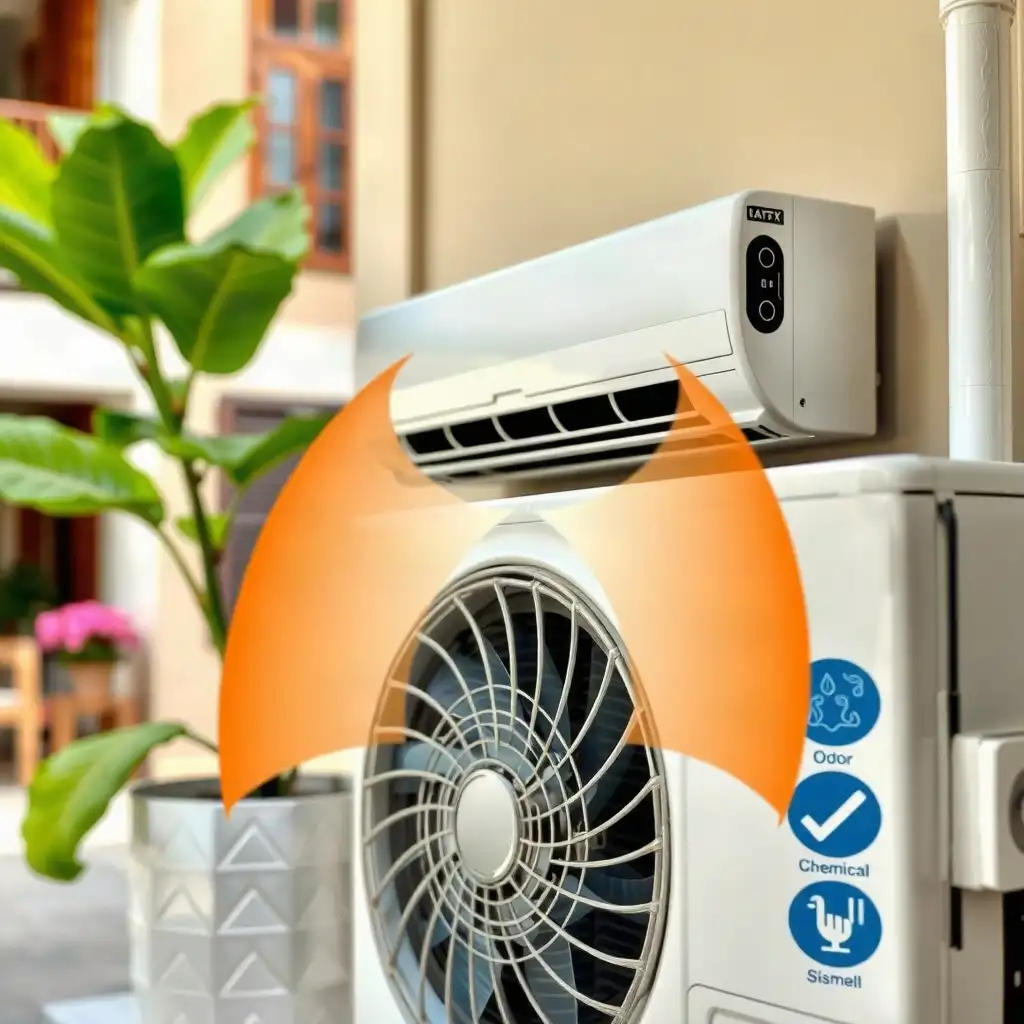
Homeowners in Puchong often feel confused by the smells from their air conditioning units, with each scent indicating specific problems. A musty odor usually means mold or mildew, which thrives in the area’s humid climate and can be harmful to health if not addressed. A sharp smell might indicate overheating parts or electrical issues needing urgent attention. A sweet aroma could signal refrigerant leaks, requiring quick action from professionals. By recognizing these smells, residents can fix small issues themselves or call for help when needed.
Causes of AC Smells in Puchong
In Puchong’s humid climate, different smells from your air conditioning system can indicate problems. A damp smell likely means mold or mildew growth, which thrives in wet conditions and affects indoor air quality.
An unpleasant acrid odor may signal overheating parts or electrical issues that require immediate attention to prevent further damage. A sweet scent from the vents usually indicates refrigerant leaks needing professional help.
By recognizing these smells early, homeowners can determine if they can handle repairs themselves or need to call skilled technicians for support.
Health Risks Associated with AC Mould
Mould in air conditioning systems poses a health risk, especially in Puchong’s humid climate. Breathing in mould spores can lead to respiratory problems, allergic reactions, and other health issues. Prolonged exposure may cause coughing, sneezing, or skin irritation, particularly for individuals with asthma or weakened immune systems; even small amounts of mould can trigger significant reactions.
Moisture that allows mould to thrive often builds up due to poor ventilation and clogged filters, common issues in many households. If not addressed through regular maintenance and cleaning, the problem could worsen quickly after a leak during the monsoon season. Immediate action and long-term preventive measures are essential for maintaining a safe living environment and ensuring efficient system operation.
Health Risks of Mould
Exposure to mould spores can lead to various health complications including:
– Respiratory issues
– Allergic reactions
– Skin irritations
Vulnerable Populations
Certain groups are at higher risk from exposure:
– Individuals with asthma
– People with weakened immune systems
Causes of Mould Growth
Common factors contributing to mould growth include:
– Poor ventilation
– Clogged filters
Importance of Maintenance
Regular maintenance is crucial because it helps prevent severe problems from developing after incidents like leaks during the rainy season. Prioritizing both immediate actions and ongoing prevention strategies will help keep your indoor air quality safe.
The Pros & Cons of AC Odour Management
Pros
-
Managing AC odours effectively improves indoor air quality, which helps reduce health risks linked to mould and allergens.
-
Regular maintenance keeps air conditioning units running longer and more efficiently, ultimately lowering replacement costs.
-
Quickly identifying and fixing problems can prevent serious damage to your property during periods of high humidity, especially in monsoon seasons.
-
Professional servicing includes thorough cleaning and inspection that may reveal hidden issues in ductwork or insulation.
-
Setting up a routine maintenance schedule promotes proactive care, reducing the chance of unexpected breakdowns.
Cons
-
For some homeowners, the cost of professional servicing can be a financial strain, especially if they follow the recommendation to do it every six months.
-
Homeowners must invest time and effort into immediate remedial actions, including manual cleaning and inspections that may interfere with their daily routines.
-
Hidden mould growth can cause recurring odours even after initial treatments, which means more professional help is often needed.
-
If homeowners are unaware of proper maintenance practices, neglect can lead to severe mould infestations and higher repair costs later on.
-
Relying too much on outside services for thorough cleaning might result in delays when urgent issues arise like water leaks or ongoing bad smells.
How to Identify Mould Smell in AC Units
Detecting a mould smell in your air conditioning unit is essential for maintaining a comfortable and healthy home. A musty odor when the AC runs indicates moisture has created an environment for mould or mildew growth inside the system. You may also see dark patches on ductwork or walls that signal hidden growths needing attention.
Allergy Symptoms
Stay alert for ongoing allergy symptoms among family members; these could indicate airborne spores from your AC. If you notice any signs, take immediate action: turn off the unit and check accessible parts while wearing protective gear like gloves and masks.
Cleaning Steps
You can clean surface-level mould spots using diluted bleach solutions, but it’s best to have professionals inspect deeper issues in ducts or insulation where DIY methods might not be effective, especially since Puchong’s climate promotes quick regrowth if underlying problems remain unresolved.
Monsoon Season Impact on AC Odours and Leaks
In Puchong, the monsoon season presents challenges for air conditioning units, particularly with odours and leaks. Increased humidity can lead to mould and mildew if AC systems are not properly maintained. Homeowners may notice musty smells due to water buildup from clogged drain lines or debris-blocked outdoor units. Rainwater in these areas creates a breeding ground for microbes that disrupt airflow and cause unpleasant indoor odours.
Structural Issues
Heavy rains can result in structural problems like roof leaks or moisture around windows, worsening HVAC issues. Stagnant water inside the unit, whether from drainage problems or condensation on the evaporator coil, can significantly increase bad odours after just a few days of wet weather.
Regular Inspections
Regular inspections before and during the rainy season are essential; homeowners should check their system’s drainage components and ensure good ventilation around their AC units. Proactive measures help prevent future issues related to excess dampness and persistent bad smells indoors as families rely on cooling comfort amid rising outdoor temperatures.
Uncovering AC Odors: Causes & Solutions
| AC Smell Type | Possible Causes | Detection Signs | Immediate Actions | Prevention Measures | Professional Services |
|---|---|---|---|---|---|
| Musty Odour | Mould growth due to moisture | Musty or damp odours when AC runs | Turn off AC, clean visible mould with water-bleach | Regular cleaning, maintain good ventilation | ACFix Malaysia for professional diagnosis |
| Damp Odour | Dust accumulation and warmth inside the AC | Visible mould spots, discolored ductwork | Clean evaporator coils with vinegar-water mixture | Regular filter replacement every 1-3 months | Eco Aircond for chemical cleaning services |
| Water Leakage Odour | Clogged drain pipes from algae, debris, or insect nests | Gurgling sounds, water stains, dampness | Shut down AC, move furniture, contact technicians | Monthly vinegar flushing of drain pipe | KL Renovator for emergency servicing |
| General Bad Smell | Dirty air filters | Persistent allergy symptoms | Inspect and replace air filters as needed | Schedule biannual professional servicing | Rapid response within 2-4 hours during monsoon |
| Recurring Mould Smell | Hidden mould in ductwork or insulation | Health complaints among occupants | Engage professional mould remediation | Regular duct sealing inspections every few years | Specialized cleaning for microbial growth |
| Seasonal Issues | Monsoon-related leaks | Overflow from indoor unit | Immediate shutdown of AC | Weekly visual checks during monsoon season | Emergency services available at +60 17-873 0408 |
DIY Steps to Remove AC Mould and Odours
Homeowners can take several DIY steps to tackle mould and unpleasant smells from their air conditioning systems. First, if you notice musty odours or signs of mould, turn off the AC unit immediately. Put on protective gloves and a mask, then clean reachable surfaces with a mix of water and bleach to eliminate surface growths. After cleaning, use a vinegar-water solution for extra sanitization; vinegar neutralizes odours and prevents future mould growth.
Regular Maintenance
to these immediate actions, regular maintenance is key to avoiding recurring issues. Homeowners should check and replace air filters every one to three months because dirty filters block airflow and contribute to moisture build-up in the system. Flushing drain lines with vinegar monthly keeps them clear of debris that encourages algae growth, a common problem during Puchong’s wet season, and clearing debris around outdoor units ensures proper drainage. By implementing these straightforward measures, residents manage current problems and improve overall air quality within their homes over time.
Importance of Professional AC Chemical Cleaning
Engaging a professional for AC chemical cleaning is crucial in Puchong’s humid climate. Regular maintenance can help, but DIY efforts often can’t eliminate hidden mould or mildew deep inside ductwork and components. Chemical cleaning uses specialized solutions to target and remove microbial growth that standard cleaners might miss. This method improves indoor air quality and boosts system performance, allowing homeowners to breathe cleaner air while increasing energy efficiency.
Professionals like ACFix Malaysia have the experience and tools for detailed inspections, identifying issues that routine home cleanings might overlook. Investing in this service every six months not only addresses current problems but also protects the unit from future mould infestations, which is vital given Puchong’s humidity levels.
Given the health risks linked to airborne contaminants, expert help is essential for maintaining comfort and well-being in any home throughout the area.
Uncovering AC Odors: Facts and Myths
-
Mould growth can pose serious health risks like respiratory problems and allergies for people in Puchong's humid climate.
-
Dust buildup can feed mould, encouraging its growth inside the AC unit.
-
Unpleasant odors from an AC unit can also result from warm conditions that speed up microbial growth.
-
Cleaning air filters occasionally is not enough; regularly replacing them is essential to prevent dirt buildup and maintain air quality.
-
Using essential oils to improve indoor air scent when running an AC unit may harm components and void manufacturer warranties.
Preventive Maintenance Schedules for Malaysian Climate
A well-organized preventive maintenance schedule is essential for homeowners in Puchong to address ongoing issues like mould and bad smells from air conditioning systems. Regular inspections are crucial; technicians should check both indoor and outdoor units at least twice a year to ensure all parts function properly despite the area’s high humidity. Homeowners can help by cleaning or replacing air filters every one to three months, as dirty filters collect dust quickly, creating an environment for unwanted growth.
Monsoon Season Checks
During monsoon season, it’s more important to conduct monthly checks; clearing drain lines of blockages with vinegar can prevent water backup that leads to mould growth. Maintaining good airflow around the unit by removing debris helps it run efficiently and prevents moisture buildup inside the system.
By following these proactive steps throughout the year, residents boost their AC’s performance and lower health risks tied to polluted indoor environments caused by microbial growth.
Emergency Response and Professional Help Contacts
In dealing with air conditioning emergencies, homeowners in Puchong should have a clear action plan. If you notice strange smells or leaks from your AC unit, turn off the system immediately to prevent further damage and reduce health risks linked to mold growth.
Move furniture away from affected areas to minimize water damage and ensure safety while checking the unit. Residents should keep contact information for certified HVAC technicians who can respond quickly; ACFix Malaysia provides services throughout Puchong and nearby areas, with a response time of 2-4 hours during emergencies, reachable at +60 17-873 0408 via call or WhatsApp.
Homeowners should also take photos of any visible issues to help professionals assess the situation faster upon arrival. Following these steps ensures quick attention and promotes proactive management of home comfort systems amid challenges posed by Puchong’s humid climate.
Emergency Action Plan
When facing air conditioning problems, act swiftly:
1. Turn off your AC immediately if you smell something unusual or see leaks.
2. Move furniture and belongings out of harm’s way.
3. Keep contact info for reliable HVAC techs close at hand.
Contact Information
For emergency services:
ACFix Malaysia
Call/WhatsApp: +60 17-873 0408
Documentation Tips
Take pictures of any visible problems before help arrives, they’ll assist in assessing the issue promptly!
Maintaining a Healthy AC Environment
Maintaining a healthy air conditioning environment in Puchong is essential for comfort and health due to the area’s high humidity. Regular inspections and maintenance prevent mould growth. Homeowners should clean or replace air filters every one to three months, as dirty filters can trap moisture and encourage bacteria growth.
Flushing drain lines with vinegar regularly helps avoid clogs that lead to water buildup, especially during heavy rains when drainage problems worsen. Keeping outdoor units free from debris allows for better airflow and reduces moisture retention.
Beyond these DIY tasks, residents should arrange professional servicing at least twice a year. This ensures thorough checks of both indoor and outdoor components, helping catch hidden issues before they result in costly repairs. By following these practices consistently, families can improve indoor air quality and reduce health risks linked to poor ventilation or microbial contamination.
FAQ
What are the common causes of unpleasant smells from air conditioners in Puchong?
Unpleasant smells from air conditioners in Puchong often result from mould, dust buildup, poor ventilation, and dirty filters, which can pose health risks.
How can homeowners identify the presence of mould in their AC units?
Homeowners can spot mould in AC units by noticing musty smells, visible mould patches, discolored ductwork, and persistent allergy symptoms among residents.
What immediate actions should be taken if mould is suspected in an air conditioning system?
Turn off the air conditioning unit, remove visible mould with a water-bleach solution while wearing protective gear, clean surfaces with vinegar-water, check air filters, and consider professional servicing.
What specific maintenance steps should be followed during the monsoon season to prevent AC issues?
During the monsoon season, homeowners in Puchong should check for gurgling sounds, inspect for water stains weekly, clean or replace air filters monthly, flush drain pipes with vinegar, and schedule a professional maintenance check each October.
How often should professional servicing of air conditioning units be scheduled for optimal performance?
For optimal performance, have air conditioning units in Puchong professionally serviced twice a year per local HVAC maintenance standards.